Every year, housing societies commit crores to structural repair. Most overpay. Many discover defects only after the work is done. We bring technical rigour, process discipline, and digital transparency that few in the industry can match.
We combine 45 years of traditional engineering practice with completely online reporting — from on-ground precision to digital transparency. Every recommendation is backed by documented data. Every rupee certified is fully justified.
Structural Audit, Tendering, and Project Management — all three stages are AI-enabled, improving interactivity, accelerating decision-making, and ensuring complete workflow transparency for the society committee.
A precise, data-backed foundation is the most important factor in controlling project cost. We deliver what most firms cannot — technology-verified findings before a single rupee is committed.
Systematic visual inspection of all accessible surfaces. Cracks, spalling, efflorescence, and reinforcement exposure documented with photography and floor-wise mapping.
Rebound hammer and UPV tests to assess concrete strength and detect internal voids — conducted per IS 13311 standards. Results form the basis of defect quantification.
A technically-grounded Bill of Quantities based on observed defects and NDT data. Item-wise quantities to prevent contractor over-claiming before work begins.
High-resolution drone cameras map every surface — including inaccessible upper floors — into a georeferenced 3D model with centimetre-level accuracy. Every crack, spall, and rust stain is measurable in 3D space.
Thermal cameras detect trapped moisture, plaster debonding, and concealed water ingress invisible to the naked eye. Undetected debonding alone can inflate final repair costs by 30 to 50 per cent.
The complete audit report is delivered on a live online portal. The committee can search any defect, view high-resolution images panel by panel, and review findings from any device at any time.
The tendering process is where most repair projects go wrong before they even begin. Opaque evaluations, vague scoring, and manual processes create conditions for disputes and poor vendor selection.
Tender issued to contractors. Minimum 7 to 10 days for responses. No standardised format. No benchmark for vendor qualification.
Document review over 10 to 14 days. Qualitative, committee-dependent scoring. Often opaque, inconsistent, and open to dispute.
Manual rate comparison over 7 to 14 days. No formula. No audit trail. Minimum 30 days total — assuming no disputes arise.
Tender documents derived from Government of Maharashtra, Government of India, and World Bank procurement standards — not internally invented templates.
Vendors scored against a fixed, transparent formula known to all parties before the tender opens. No vague or arbitrary criteria.
The entire procurement cycle is conducted online. Zero physical document exchange. Eliminates bias, delays, and any possibility of tampering.
Technical scores computed automatically the moment the tender opens — in minutes, not weeks. Faster, reliable, and fully transparent.
Documents verified by AI on the spot — ITR cross-referencing, ongoing project checks, and completed project value validation to detect inconsistencies or fraudulent submissions.
Pre-defined parameters for site visits and vendor presentations. All committee members and the PMC score independently and simultaneously on the platform.
Rate analysis and amount analysis computed online within minutes. No manual comparison. No errors. Financial evaluation as fast and objective as technical scoring.
Every action, submission, score, and decision permanently time-stamped. Full AGM transparency. Nothing is ever lost, disputed, or misrepresented.
The society can view the live tender process in real time. Higher quality competition, better vendor selection, and a cleaner outcome — every time.
Once site work begins, committees are typically one step behind — discovering issues only after they escalate. Most PMC firms operate through a visiting site engineer and WhatsApp groups. We do that — and significantly more.
Periodic site visits. Quality hold points checked manually. No formal digital record maintained.
Bill certification based on site measurement. No live budget tracking. The committee is informed after the fact.
Weekly verbal or WhatsApp updates. No centralised record. No baseline comparison. Delays often remain undocumented.
Verbal instructions and periodic walkthroughs. No digital incident log. No systematic hold-point enforcement.
The society views the entire project in real time, on their phone. No chasing. No delays in information flow.
Materials tracked live as they arrive. AI immediately verifies conformance — no delays, no manual approvals.
Live progress logged every day. Actual versus planned comparison available at all times. No surprises at month-end.
Photographic and written DPR submitted to the portal every working day by our resident engineer. Permanent and searchable.
Every deficiency logged with photographic evidence. Automated alerts notify the committee before minor deviations become costly problems.
Live bill certification status, running cost vs. budget, and the project bar chart — available before any payment is authorised.
Committee members ask questions about materials, costs, or open issues — and receive instant, data-backed responses.
A final drone 3D model after completion provides a direct before-and-after comparison against the original audit model — a permanent, verifiable record of what was delivered.
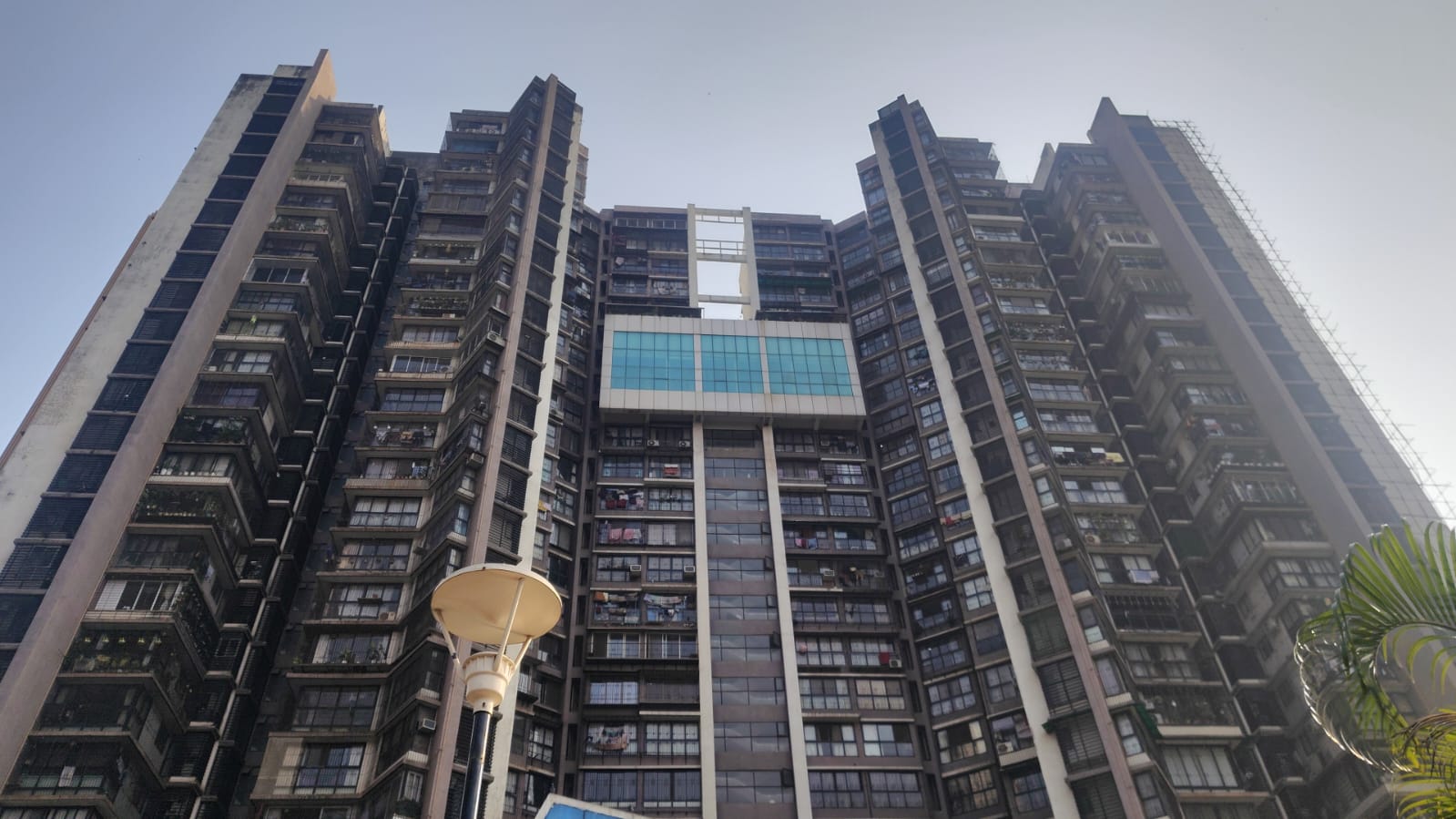
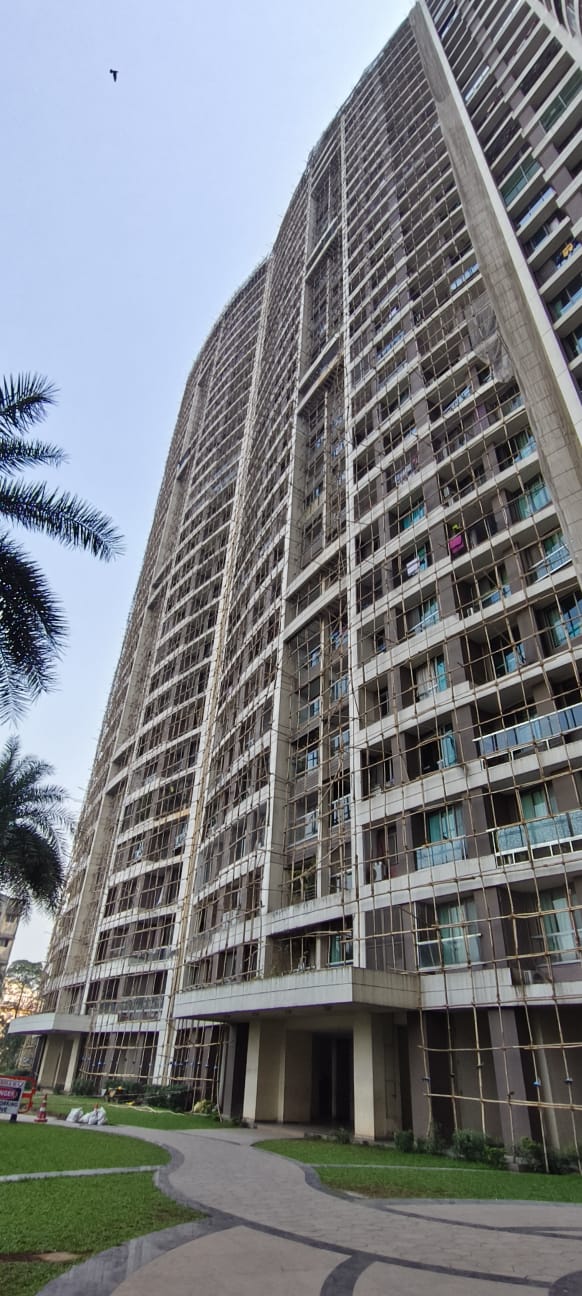
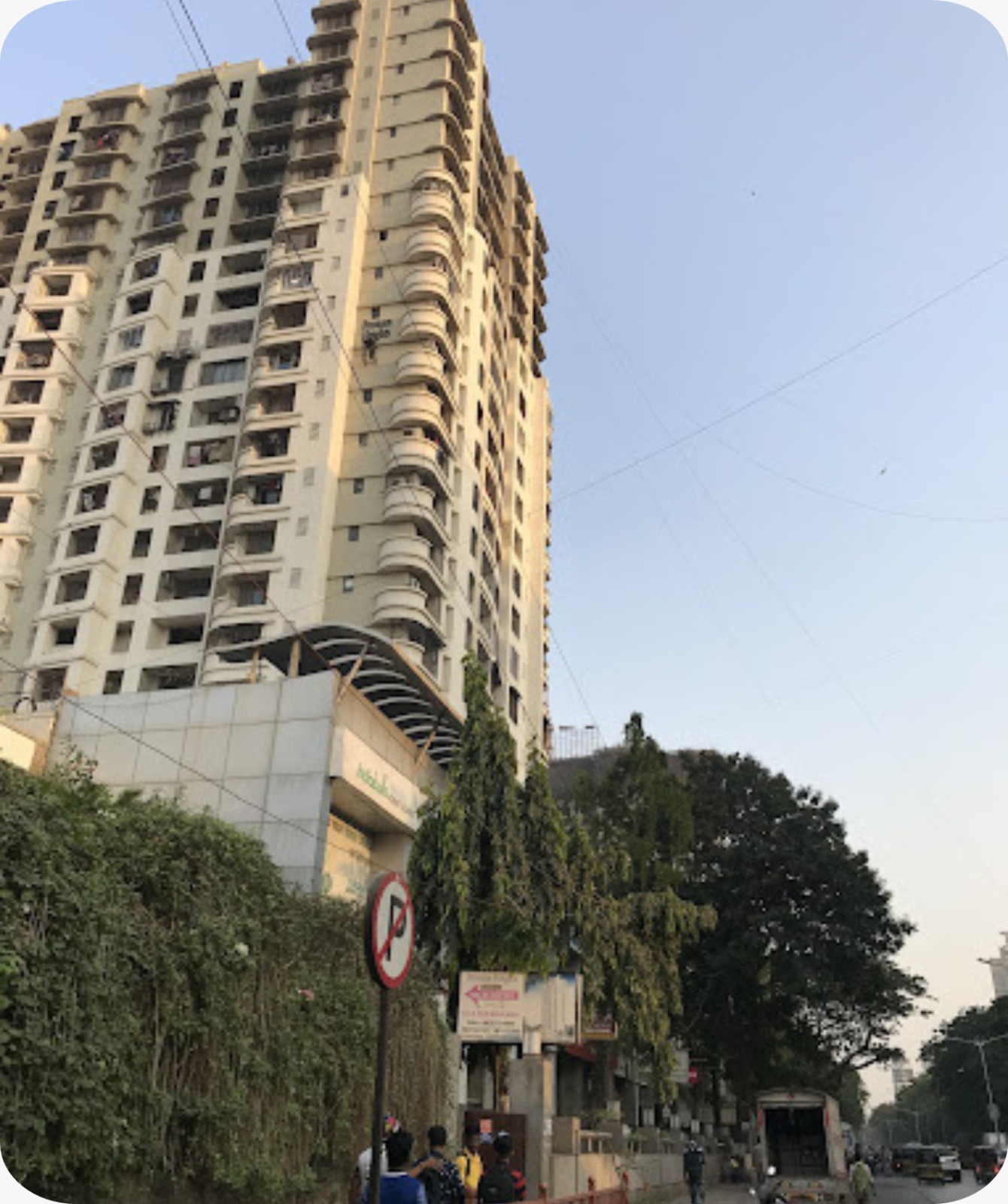
A selection of active PMC engagements across Mumbai. Combined value under active management exceeds ₹50 crore.
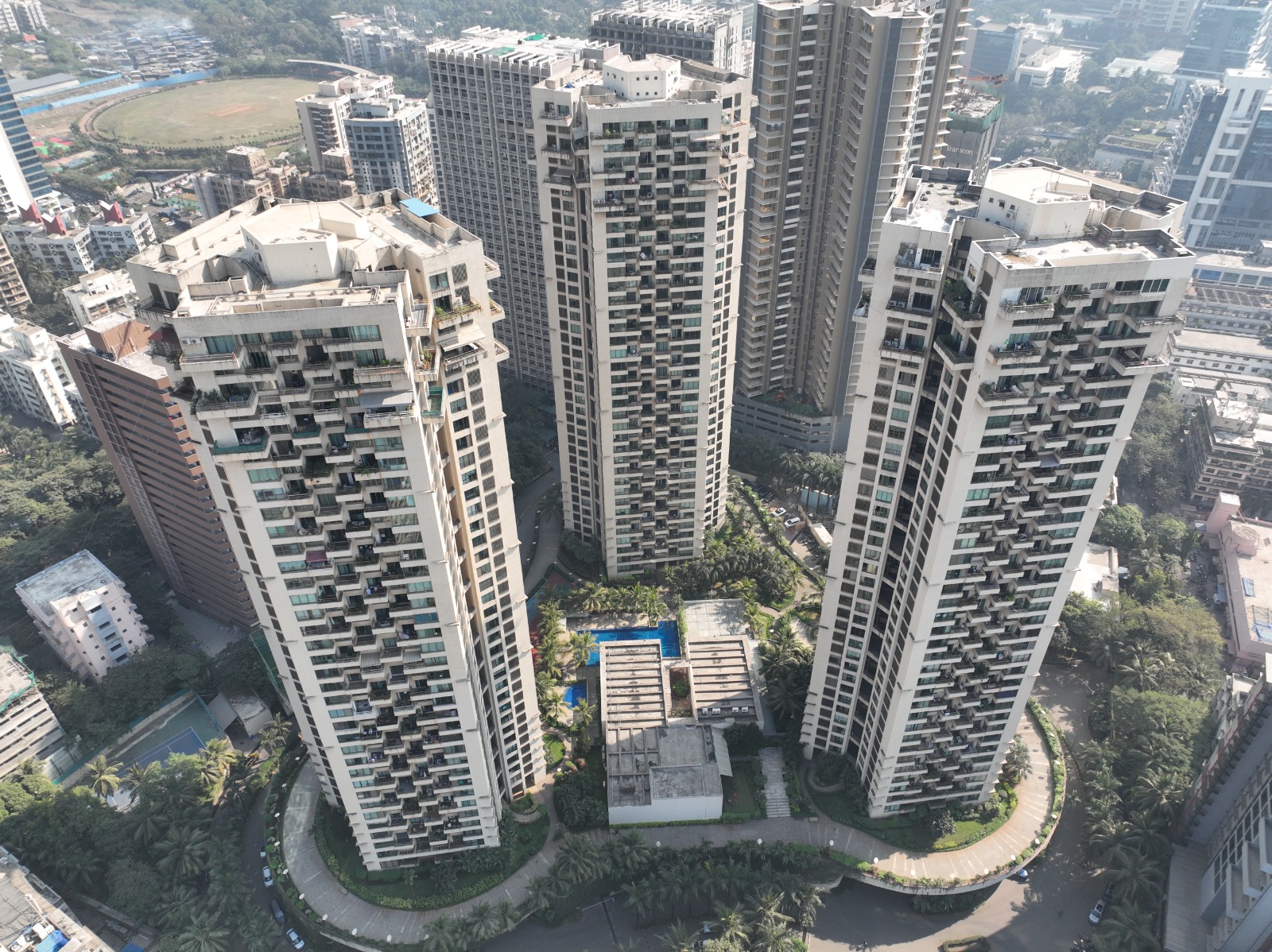
Featured Project
₹1,800 Lacs
₹1,100 Lacs
₹680 Lacs
₹225 Lacs
Additional Active Engagements
Every recommendation is backed by documented data. Every process is transparent. Every rupee certified is fully justified.
We welcome the opportunity to meet your committee, demonstrate our technology, and address any questions at your convenience.
Hi-Tech Consulting Engineers
India Private Limited
Authorised Signatory
Mumbai, Maharashtra